Local guide / Kennewick, WA
Getting Your Kennewick Home Ready for a Freeze
Kennewick summers get the attention, but the winter nights are cold enough to split a pipe. An hour of prep in the fall is a lot cheaper than a burst line in January.
Free to call. Lines open 24 hours.
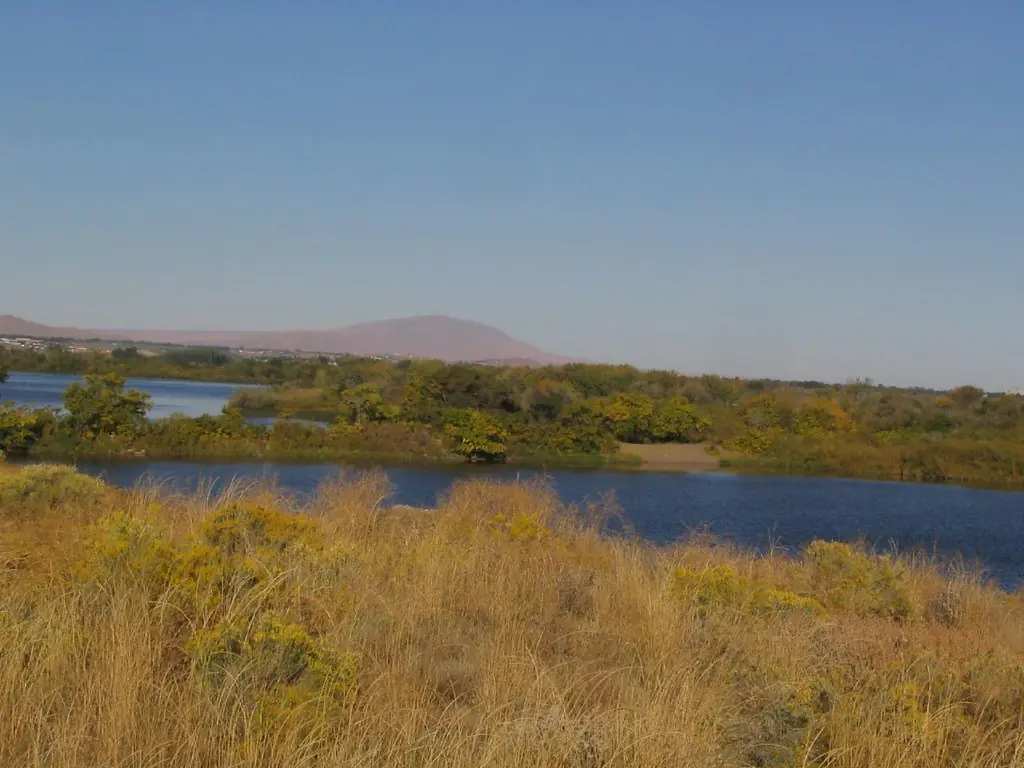
Photo: Columbia River, Kennewick, Washington by Ken Lund, CC BY-SA 2.0
How cold Kennewick actually gets
The Western Regional Climate Center keeps a long record for the Kennewick weather station, going back to 1894. Over that record, the average low is 33.8 degrees in November, 28.3 in December, 26.0 in January and 29.9 in February.
Those are averages, so plenty of nights go colder. Texas A&M AgriLife Extension notes that pipes can freeze and burst once the outside temperature reaches 20 degrees or below, and the pipes at most risk are the ones exposed to the cold: outdoor hose bibs, sprinkler lines, and pipes in crawlspaces, garages, attics and outside walls with little insulation.
So the question in Kennewick is when it will happen this year, and whether your pipes are ready when it does.
Outdoor faucets and hoses
This is the easy one, and it is where a lot of winter leaks start.
- Disconnect every hose. A hose left on the spigot traps water in the faucet body, and that water has nowhere to go when it freezes.
- Shut the inside valve if you have one. AgriLife advises closing the inside valves that supply outdoor hose bibs, then opening the outside faucet so the line can drain.
- Cover the faucet. The Portland Water Bureau suggests molded foam hose bib covers from a hardware store, or newspaper or rags wrapped in plastic.
One catch: a split inside a faucet often shows no sign until spring, when you turn the hose on and water runs into the wall instead of out the spout. If that happens, shut it off and get it looked at before you use it again.
Frozen or burst pipe in Kennewick? Call to reach a local plumber.
Call (509) 286-1592Crawlspaces, garages and outside walls
Pipes inside the heated part of the house are the least likely to freeze. Pipes in the crawlspace, the garage or a cold outside wall are another story.
- Insulate exposed pipes in unheated spaces. The Portland Water Bureau lists attics, crawlspaces and basements, and AgriLife mentions pipe sleeves or UL listed heat tape or heat cable.
- Close the foundation vents for the winter. Portland suggests filling the vent openings with wood or foam blocks.
- Keep the garage door shut if water lines run through the garage.
- On the coldest nights, open the cabinet doors under kitchen and bathroom sinks on outside walls so warm air reaches the pipes, and let a faucet drip slightly.
If you are leaving town, AgriLife says to leave the heat on and set the thermostat no lower than 55 degrees.
Sprinkler systems and backflow devices
An irrigation system is basically a network of shallow pipes and valves full of water, so it needs to be drained before the hard freezes. AgriLife says to drain sprinkler supply lines following the manufacturer's or installer's directions, and not to put antifreeze in them.
The backflow assembly is the part that tends to crack. If your sprinkler line has a pressure vacuum breaker standing up out of a flower bed, it sits above ground by design (the City of Kennewick requires it 12 inches above the highest point in the system), and that also means it takes the full cold. A cracked brass body usually shows itself as a spray of water the first time the system runs in spring.
If a pipe freezes or bursts
No water from a faucet on a cold morning usually means ice somewhere in that line. AgriLife's advice:
- Keep the faucet open, so water can move as the ice melts.
- Warm the frozen section with a hair dryer, a heating pad, a portable space heater or towels soaked in hot water. Keep cords away from water.
- Never use a torch, a kerosene or propane heater, or any open flame. It is a fire risk and can put carbon monoxide in the house.
- Check your other faucets. If one pipe froze, others may have too.
A frozen pipe may already be split, and it will leak once it thaws. That is why you want to know where your main shutoff is before winter. Portland notes most shutoffs are where the water line enters the house: near the front hose connection, in a basement near the water heater, or in the garage. Find yours now and make sure it turns.
Who to call in Kennewick
If the problem is the meter box (water coming out of it, a leak inside it, or a broken lid), the City of Kennewick's water and sewer FAQ says to call Public Works at 509-585-4419. The City also keeps a list of customers with critical health needs who should be told about water shutoffs. The Water Services Supervisor at 509-585-4534 can add you to it.
If the leak is on your side of the meter, in a wall, under the house or at a split faucet, it is a plumbing repair. Shut off the water first, then call to reach a local Kennewick plumber.
Sources
Where these facts come from
Checked 2026-10-31. Rules and phone numbers change, so confirm with the source before you rely on them.
Services
Plumbing Help in Kennewick
Emergency Plumbing
Burst pipes, flooding, sewer backups and no water. Call any hour.
Get help →Plan aheadHydro Jetting
High-pressure water cleaning for grease, scale and roots in drains and sewer lines.
Get help →UrgentDrain Cleaning
Clogged sinks, tubs, showers and main drains cleared fast.
Get help →UrgentSewer Line Repair & Camera Inspection
Camera inspections, root problems, broken lines and sewer backups.
Get help →UrgentWater Heater Repair & Replacement
No hot water, leaking tanks, tankless issues and new installs.
Get help →EmergencyLeak Detection & Burst Pipe Repair
Hidden leaks, high water bills, wet walls and burst pipes.
Get help →EmergencyFrozen Pipe Repair
Thawing frozen lines and fixing pipes split by winter freezes.
Get help →Plan aheadToilet & Faucet Repair
Running or clogged toilets, leaky faucets and fixture installs.
Get help →More guides
More Kennewick Guides
Hard Water and Your Water Heater
Why Kennewick water heaters get noisy, lose hot water and wear out early, and what you can do about it.
Read the guide →Sprinkler Backflow Testing
That brass valve assembly next to your sprinkler line has a job, and the City of Kennewick expects it to be tested. Here is what it is and why it matters.
Read the guide →Hiring a Plumber: WA Rules
Washington has stricter plumbing rules than a lot of states. A few minutes of checking before anyone starts work can save you a real headache later.
Read the guide →Call any time
Pipe Frozen or Burst?
Call any time to reach a local Kennewick plumber for frozen and burst pipe repair.